How to Refile Bankruptcy After Dismissal

Thomas Denaro • March 3, 2020

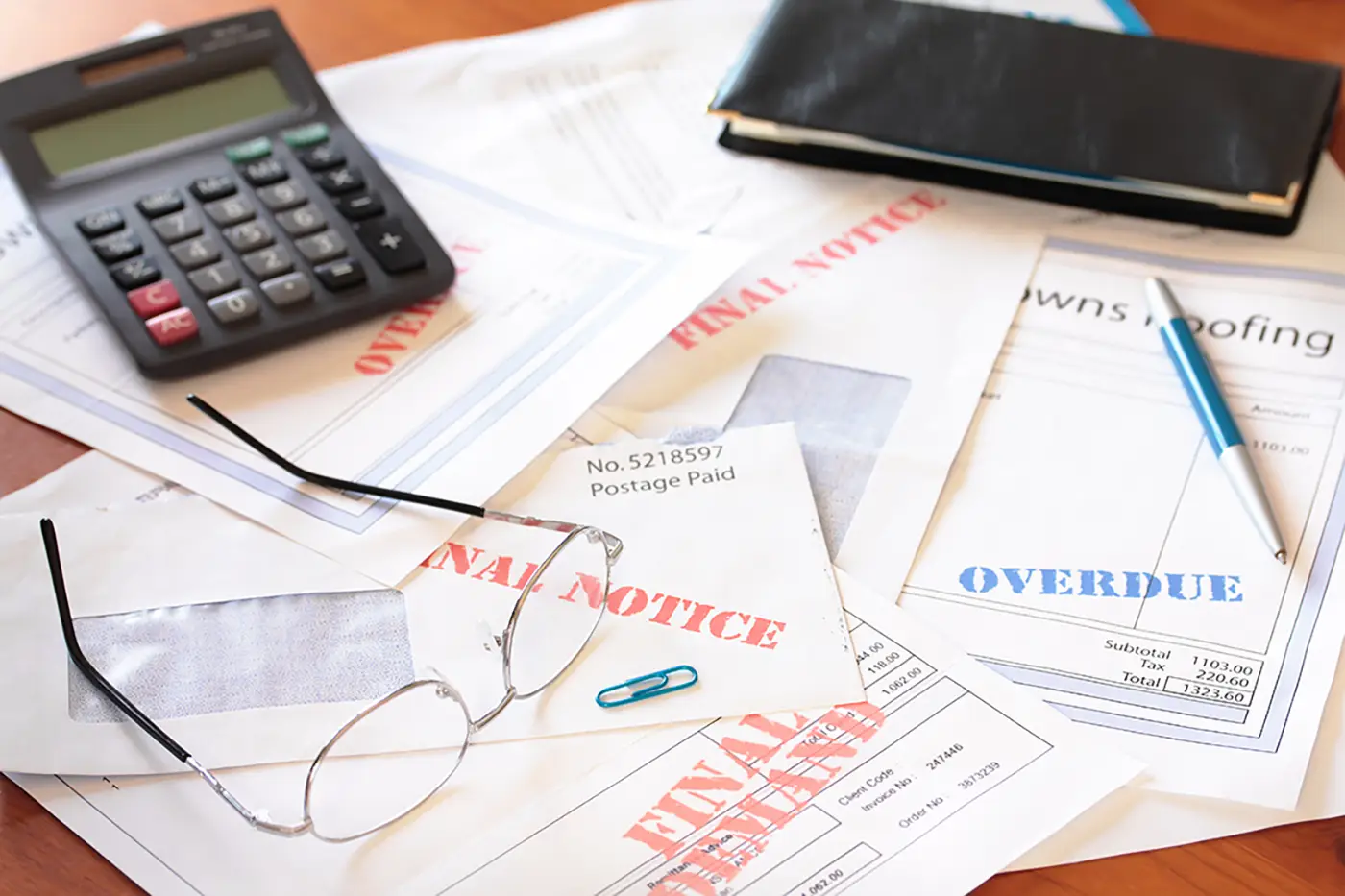
Filing for bankruptcy protection is a complicated and often overwhelming process. To then hear that your claim is dismissed is not only frustrating, it can induce anxiety knowing that the pressure of your debts has not been resolved and that it’s only a matter of time before the collectors start calling again.

The good news is that even if your bankruptcy case is dismissed you have the option to refile. Due to the numerous potential pitfalls of a bankruptcy filing and the responsibilities on you as the debtor, it is always recommended to seek support from an experienced bankruptcy lawyer, especially if you are refiling.

Why was my case dismissed?

With all the complex paperwork and other requirements to satisfy in bankruptcy cases, it’s no wonder that many are dismissed automatically. Often it’s failing to comply with certain procedures like completing an approved credit counseling course, or missing key meetings or document filings.

Additional reasons your bankruptcy case may be dismissed often relate to an act of, or even the perception by the trustee of an act of “bad faith.” Bad faith generally means willful actions that are intentionally meant to mislead, conceal from, or game the bankruptcy court in order to eliminate debt without accepting the consequences. Consider the following bad faith behaviors:

      • Lying under oath
      • Concealing assets or an inability to explain assets that are unexpectedly missing
      • Failing to keep adequately detailed records or knowingly disposing of documentation
      • Failing to report property you’ve transferred out of your ownership within the year leading up to your bankruptcy filing

When can I refile my bankruptcy case?

If your case was dismissed due to an administrative or procedural misstep, you are typically allowed to refile immediately once you’ve met the requirement or corrected the error. However, if your dismissal was due to bad faith, you must wait 180 days to refile. Either way, your attorney can guide you on the proper steps to take.

Contact an experienced Bronx bankruptcy attorney for help refiling after dismissal

With more than 30 years in practice supporting New Yorkers in bankruptcy filings, Thomas M. Denaro, Esq. is well qualified to help you ensure your case is accepted and your debt is discharged. Call (718) 863-6000 or contact our law firm online today to learn more about how we can help.

Five people in a meeting around a table reviewing documents in a bright office
By Thomas Denaro • May 19, 2020
At the meeting of creditors – or a 341 meeting – the debtor, who has filed Chapter 7 bankruptcy, meets with the trustee who will be overseeing his or her case.
Hands counting Euro banknotes beside a pen and notebook on a desk
By Thomas Denaro • May 5, 2020
When people hear the word “bankruptcy” they might envision a situation where the court seizes their home, cars, and other possessions to pay off their debts thereby leaving them with only a few assets.
Business meeting with two people seated across a table, hands clasped
By Thomas Denaro • April 21, 2020
Consolidating debt is the process of combining high-interest debts from student loans, credit cards, or car loans with a single lender.
Hand using laptop and holding a credit card at a desk with a smartwatch visible
By Thomas Denaro • April 7, 2020
Most bankruptcy cases are caused by financial hardship – not irresponsible spending habits – which disproportionately affect low-income individuals and neighborhoods.
Justice statue, law books, and gavel on a wooden desk in a courtroom setting
By Thomas Denaro • March 31, 2020
Whether you plan to file for Chapter 7 or Chapter 13 bankruptcy, and whether you are filing as an individual or a couple, you will no doubt have many questions and concerns.
New York City skyline at sunset with the Empire State Building centered among skyscrapers
By Thomas Denaro • March 17, 2020
As people overwhelmed with credit card bills, loan debt, mortgage payments, and other forms of secured and unsecured debts assess their options for getting their finances back to a manageable place, they often consider filing for bankruptcy protection.
Calculator, eyeglasses, and overdue bills scattered on a desk, suggesting financial stress
By Thomas Denaro • February 18, 2020
One of the key phases of filing for bankruptcy is taking a thorough inventory of your financial status.
Calculator with stacks of coins on a white surface, suggesting budgeting or savings
By Thomas Denaro • February 4, 2020
Despite the generally negative connotation of debt, there are important benefits to carrying debt and eventually paying it off.
Business meeting at a desk with hands clasped, laptop, notebook, coffee cup, and gavel
By Thomas Denaro • January 21, 2020
According to New York’s Civil Practice Law and Rules (CPLR) section 213 and understanding that most debts are considered “a contractual obligation or liability,” creditors have six years in which to file a collection lawsuit against a debtor.